HDI & Special PCB (Rogers, Aluminum, Heavy Copper)
HDI microvia, Rogers RF, aluminum LED and heavy-copper power boards for demanding electrical and thermal designs.
When a standard rigid board is not enough
Special PCBs solve problems a plain FR4 board cannot: too many pins in too little space, RF loss that ruins a signal, heat that cooks a component, or current that melts a trace. Donlly builds HDI, Rogers/PTFE RF boards, aluminum-based LED boards and heavy-copper power boards — each with its own design rules and stack-up discipline.
HDI (high-density interconnect)
HDI uses laser-drilled microvias (typically 0.1 mm) and build-up layers to pack far more interconnects into a smaller footprint. It is the standard for smartphones, modules and high-pin BGA escape. Expect blind/buried microvias, finer line/space (down to 2/2 mil) and tighter registration than standard multilayer.
Rogers and RF materials
For RF and microwave, Rogers and PTFE laminates keep dielectric loss low so signals do not degrade across the board. We mix Rogers RF layers with FR4 in hybrid stacks to control cost while preserving signal integrity, and we model impedance for 50/75 ohm and differential pairs.
Aluminum and heavy copper
Aluminum-based boards spread heat away from LEDs and power devices, while heavy copper (up to 10 oz and beyond) carries high current without overheating. Both are common in lighting, power supplies and automotive. Thermal vias and dielectric thickness are the levers we tune for your wattage.
Choosing the right special board
Need density and fine pitch? Choose HDI or standard rigid. Need low RF loss? Choose Rogers. Need to shed heat? Choose aluminum or heavy copper. For a moving or space-limited device, also see flexible PCB.
Quality and support
Special boards are built to IPC Class 2/3 with impedance and thermal modeling, micro-section verification of microvias, and full lot traceability. Start with PCB prototyping, then PCBA assembly for the finished module.
Frequently Asked Questions
What microvia size does HDI use?
Can you mix Rogers and FR4?
How thick can heavy copper be?
Do you verify impedance and microvias?
Related Products
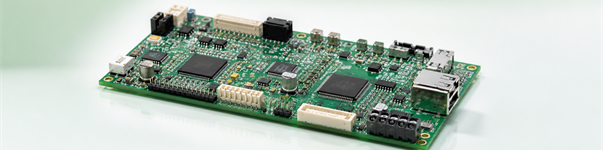
One‑Stop PCBA Assembly
SMT, THT and mixed‑assembly services including component procurement.
Rigid PCB Manufacturing
Single to 40-layer rigid boards built on FR4 and specialty laminates with controlled impedance and full IPC testing.
Flexible PCB & Flex Circuits
Polyimide flex circuits for dynamic bending and space-saving designs, from single-sided to multilayer rigid-flex-ready builds.